A group of creatures with unusual abilities invaded Alliance in early July. Fortunately, these creatures only exist on “Pokemon GO”, an application for iPhone and Android mobile phones. Created by software manufacturing company Niantic, Inc. using characters and content from the famous Nintendo “Pokemon” franchise, the game allows players to catch and train their own Pokemon–fictional animals with odd powers, such as the ability to evolve into different forms and manipulate electricity, water, fire, rocks, mud, or air. The game’s official website can be found here.
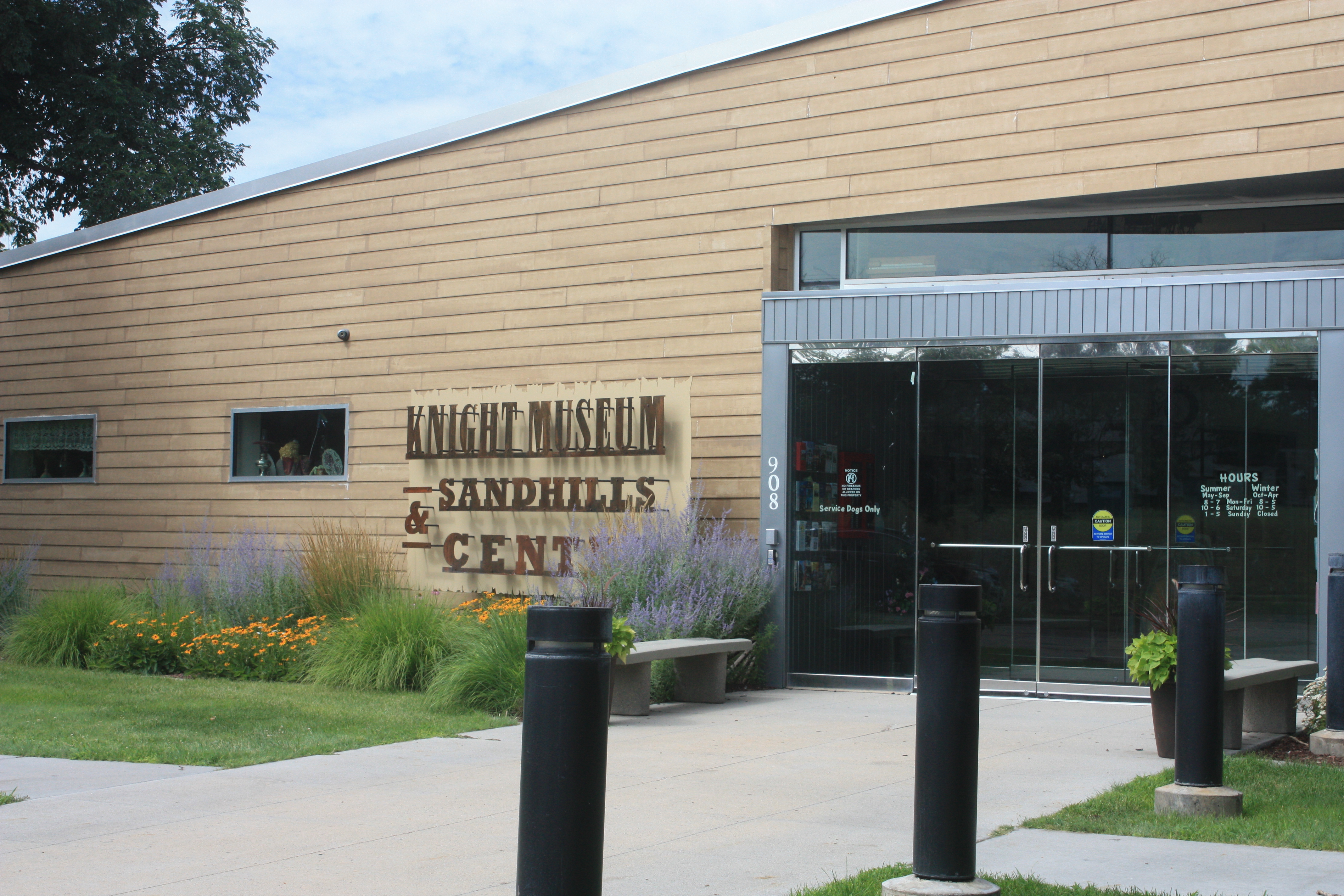
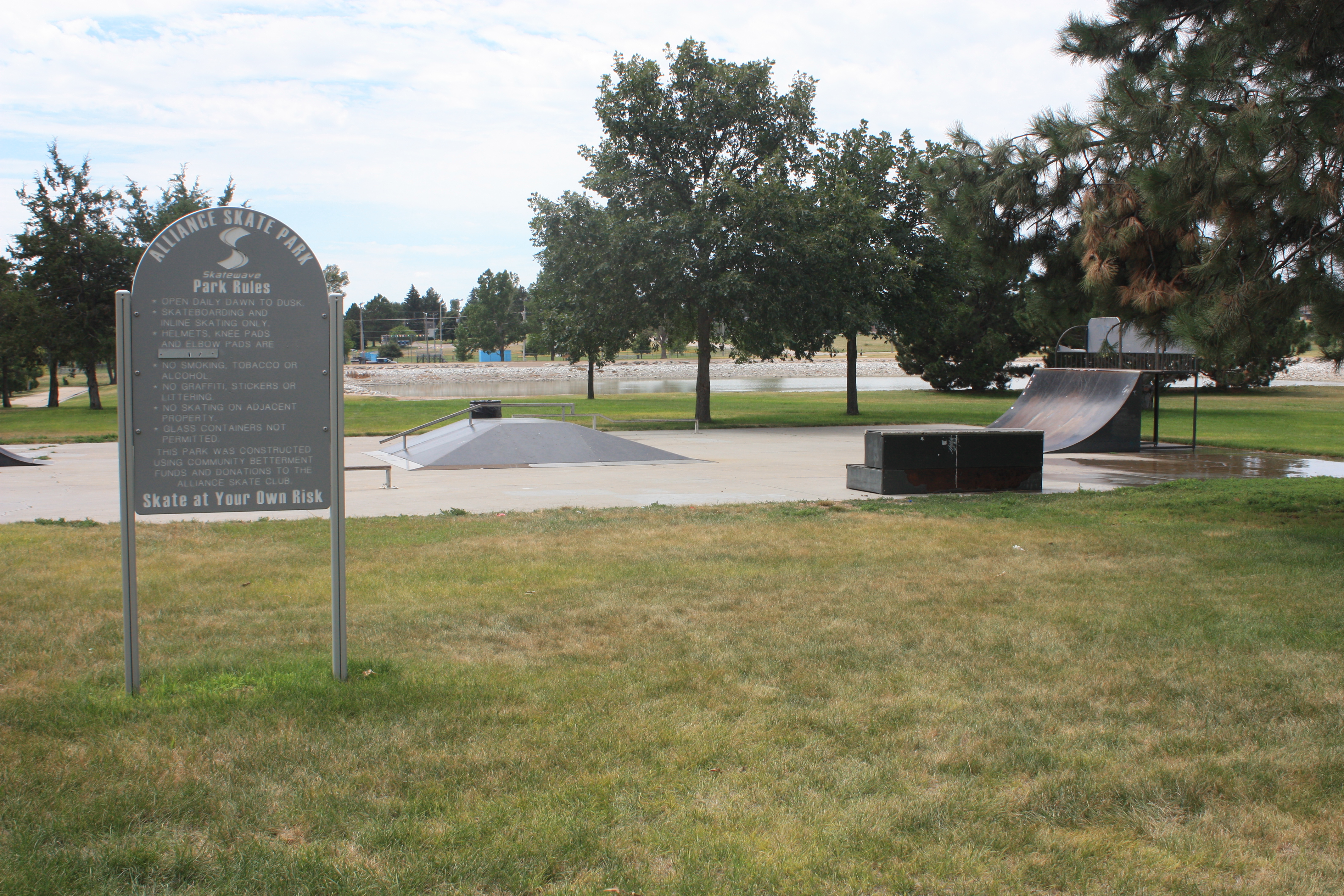
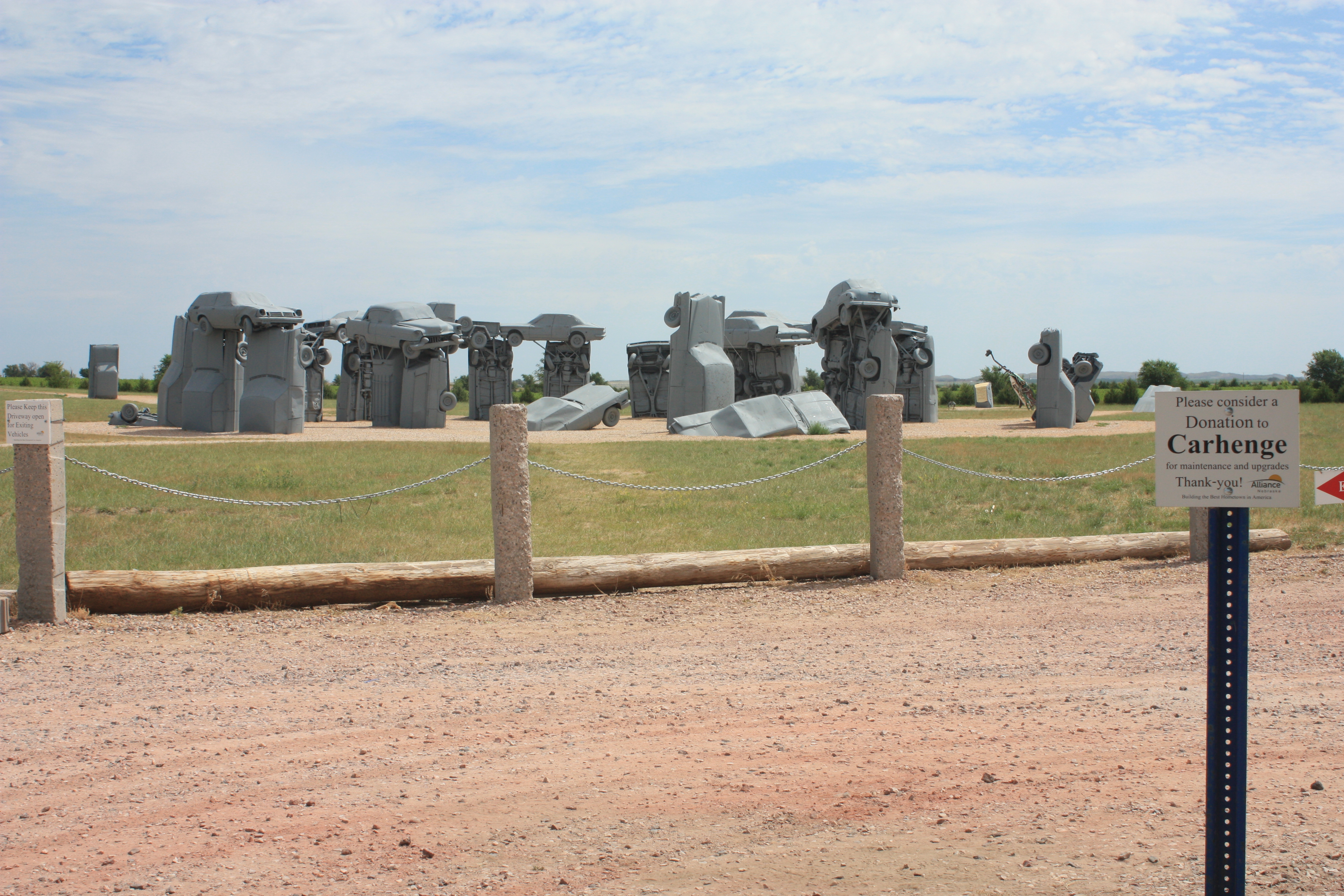
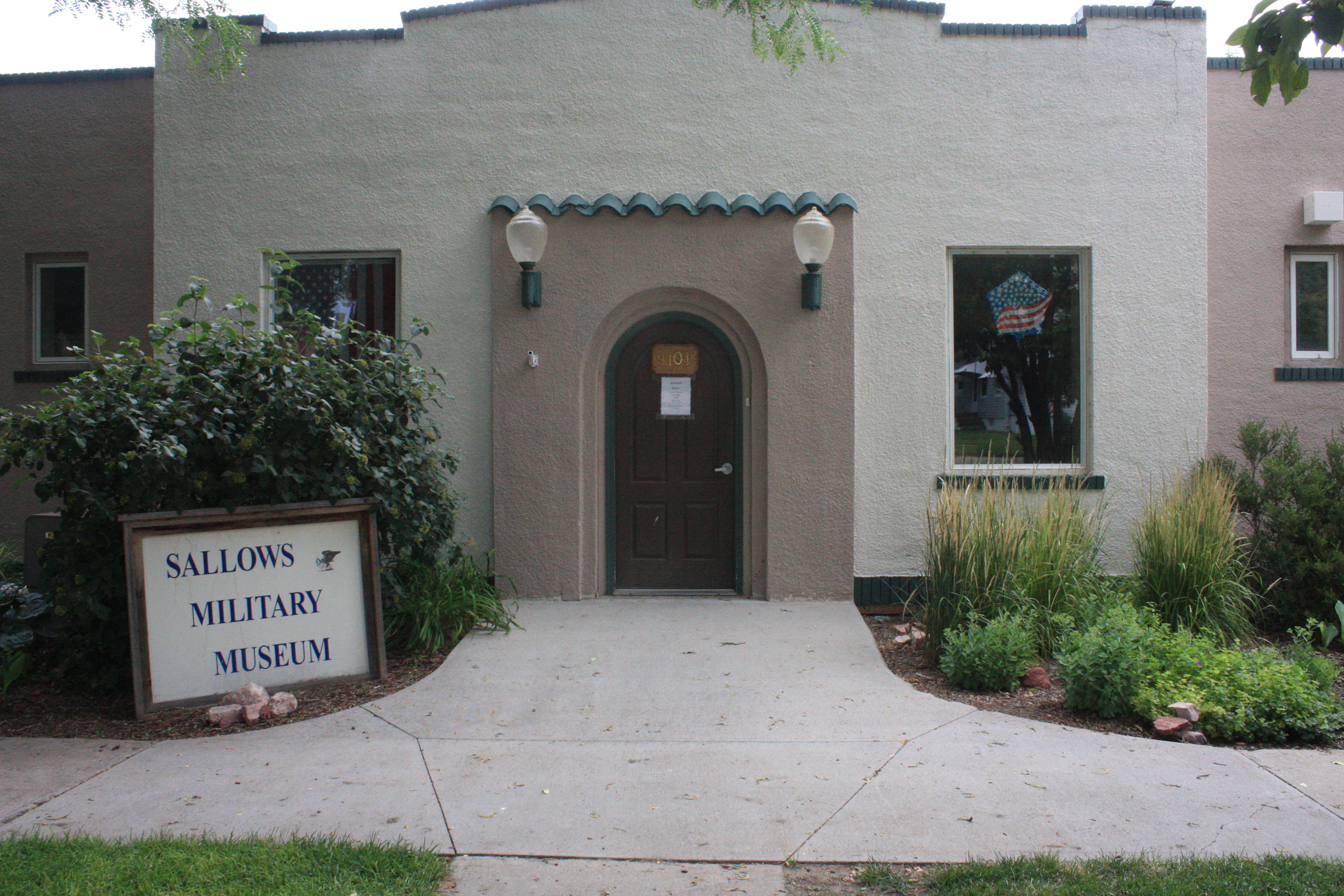
“Pokemon GO”, which requires users to walk or travel by car to pursue Pokemon, utilizes a mobile phone’s GPS tracking system to follow the progress of the player while the application is open. The game requires players to find and collect (digital) items from PokeStops, which are areas of some local significance that are highlighted by a blue beacon on a player’s in-game map. PokeStops tend to be placed near parks, museums, art displays, churches, community centers, libraries, historical monuments, playgrounds, and schools. These PokeStops include some of Alliance’s most important community and tourist areas, including the Knight Museum and Sandhills Center, Alliance Central Park, Bulldog Stadium, Laing Park, and Carhenge. Many of these sites, such as Laing Park and Carhenge, contain multiple PokeStops and at least one Pokemon Gym, an area where “Pokemon GO” players can train their collected Pokemon or battle against other player’s Pokemon. Box Butte Avenue contains many PokeStops due to its art installations, memorials, and historically significant buildings. Pokemon themselves can be found at PokeStops and Pokemon Gyms as well as other places where people commonly go, such as gas stations, coffee houses, and restaurants.
In many regions where “Pokemon GO” is currently available, the application appears to have positively affected local businesses and community togetherness. Since the PokeStops are typically located near areas that can also benefit from tourism, and the game itself rewards players for seeking out new PokeStops in different locations, this has led to an uptick in visitors to parks, local businesses and restaurants located near PokeStops, museums, and other tourist attractions. As mentioned by this “Forbes” article, many businesses have taken advantage of the sudden increase in traffic, welcoming “Pokemon GO” with humorous signs and occasionally offering discounts to those who play on certain “Pokemon GO” teams or who have reached certain levels in the game. This “Inc” article has suggestions for businesses and attractions that would like to participate in “Pokemon GO”, such as investing in in-app purchases that draw Pokemon (and therefore, “Pokemon GO” players) to specific areas. It also has advice for conducting “Pokemon GO”-themed give-aways and promotions.
You can request that new PokeStops be added near a local business or attraction (or ask for PokeStops to be removed from specific locations) here.
Eagle Communications Intern Kira Fish photographed local Alliance attractions that contain PokeStops and Pokemon Gyms.